
The surest way not to get pregnant is not to have sex. If you are sexually active, it is important to know different ways to prevent pregnancy. “Contraception” means using something to stop a person from becoming pregnant. Contraception helps us control how many children we might want, when we want them, and when we might want to stop having children or not have children at all.
Let’s learn about the different types of contraceptive methods. In Samoa, the age of consent for medical treatment is 16 years. If you are under 16, you may need consent from a parent or guardian to access contraceptive services. Health workers can provide information and support to help you understand your options.
Male condoms (external)
A thin latex rubber or plastic covering which is rolled onto an erect penis (external).
Watch: Condoms: How to use them effectively
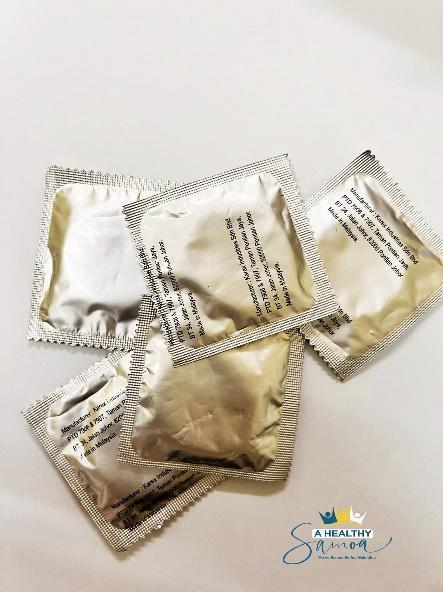

| Aspect | Details |
|---|---|
| When is it needed? | During each sexual act including vaginal, oral and anal sex |
| Effectiveness | Consistent and correct use 98% Common use >87% |
| How it works | By forming a barrier that keeps sperm out of the vagina, anus or mouth |
| Advantages | • Condoms are the only form of contraception which offers protection from STIs and HIV • Easy to use • Easy to carry • Used only when needed • Freely or cheaply available in many locations |
| Disadvantages | • If used incorrectly, condoms can break, slip off or become contaminated • Some people are allergic to latex • A new one must be used for each sex act • Not as effective at preventing pregnancy as many other modern methods |
A condom is the only way to prevent both unintended pregnancies and STIs, so it is important that you use one every time you have sex and know how to use it correctly. Condoms are most effective at preventing pregnancy when used alongside another effective method of contraception.
Steps to putting on a condom!
- Always make sure both you and your partner want to have sex and you’ve both consented first
- Check the expiry date on your condom
- Carefully open the condom packaging with your fingers. Don’t use your teeth or a sharp object like scissors to tear the packet
- Make sure the condom is facing the right way so that it rolls easily down to the base of the penis
- Grab the base of the penis with one hand and pinch the top of the condom with the other hand, guiding it onto the tip of the penis
- Using one or both hands, glide the condom down the shaft of the penis, all the way to the bottom
- Use lubrication (like a water-based lube) to help make sex more enjoyable and to help prevent the condom from tearing
- After having sex, use your hands to hold on to the condom as you withdraw the penis from your partner
- Take the condom off by keeping the liquid inside and tie a knot
- Use a tissue to put the used condom in the rubbish, not in the toilet
- Clean up afterwards!

Female condoms (internal)
A thin latex rubber or plastic covering which is placed inside a vagina or anus
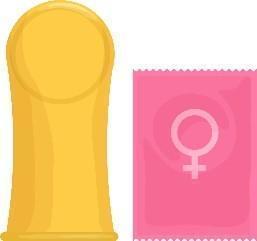
| Aspect | Details |
|---|---|
| When is it needed? | During each sexual act including vaginal or anal sex |
| Effectiveness | Consistent and correct use 95% Common use >79% |
| How it works | Works by forming a barrier that keeps sperm out of the vagina or anus |
| Advantages | • Condoms are the only form of contraception which offers protection from STIs • Easy to use • Easy to carry • Used only when needed |
| Disadvantages | • Requires practice to insert correctly • The penis can slip into the vagina between the condom and the vaginal wall |
Steps for using female (internal) condoms:
- Always make sure both you and your partner want to have sex and that you’ve both consented first
- Check the expiration date on the package, and then open it carefully.
- The internal condom comes already lubricated, but you can add more lube if you want.
- If you’re putting the condom in your anus, remove the inner ring. If you’re putting the condom in your vagina, leave the ring in.
- Relax and get into a comfortable position. Standing with one foot on a chair, lying down, or squatting are common options.
- If it’s going in your vagina, squeeze together the sides of the inner ring at the closed end of the condom and slide it in like a tampon. Push the inner ring into your vagina as far as it can go, up to your cervix.
- If it’s going in your anus, just push the condom in with your finger.
- Make sure the condom isn't twisted. Pull out your finger and let the outer ring hang about an inch outside the vagina or anus. You’re good to go!
- Hold the condom open as the penis or sex toy is going into the condom to make sure it doesn’t slip to the side between the condom and your vagina or anus.
- Once you’ve finished having sex, if there’s semen (cum) in the condom, twist the outer ring (the part that’s hanging out) to keep the semen inside the pouch.
- Gently pull it out of your vagina or anus, being careful not to spill the semen if there is any.
- Throw it away in the bin (never flush any kind of condom down the toilet, because it can clog it).
- Internal condoms are not reusable — use a new one every time you have sex.

Copper Intra-Uterine Contraceptive Device (Commonly known as Copper IUCD or Copper T)
A small ‘T’ shaped plastic device that is placed inside the uterus

| Aspect | Details |
|---|---|
| When is it needed? | Once inserted, Copper IUDs last 5-10 years depending on the type |
| Effectiveness | >99% |
| How it works | Causes a chemical change that prevents sperm and egg from meeting |
| Advantages | • Very effective • No hormones • Does not interfere with sexual intercourse • Doesn’t rely on memory • Fertility returns once taken out • Safe to use while breastfeeding • Others cannot detect it |
| Disadvantages | • Must be inserted and removed by a trained healthcare provider • May have side effects including heavier menstrual bleeding and cramps • Does not protect against STIs or HIV • Small risk of complications when inserted |
Injection
A long-acting hormone which is injected every 12 weeks into bum or upper arm.
| Aspect | Details |
|---|---|
| When is it needed? | Injected every 3 months depending on the hormone used |
| Effectiveness | Consistent and correct use 99% Common use 96% |
| How it works | Prevents the release of eggs from the ovaries (ovulation) |
| Advantages | • Does not interfere with sexual intercourse • Usually no menstrual bleeding • Other people cannot detect it |
| Disadvantages | • Does not protect against STIs and HIV • It cannot be immediately reversed • There can be a delay in the return to fertility for up to 18 months • Causes non-harmful changes to bleeding pattern • Can be associated with hormonal side effects |
Contraceptive implant
Plastic rod(s) which are inserted under the skin on the inside of your upper arm. There are a few different types of implants available but Jadelle is the most common in the Pacific, so is used in the table below.
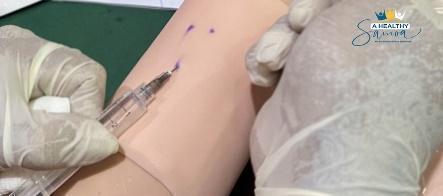

| Aspect | Details |
|---|---|
| When is it needed? | Once inserted, the implant lasts up to 5 years |
| Effectiveness | >99% |
| How it works | Stops ovulation and thickens the cervical mucus |
| Advantages | • Cost-effective • Doesn’t rely on memory • No regular supply required • Immediate return of fertility once removed • Do not interfere with sex |
| Disadvantages | • Does not protect against STIs and HIV • Minor procedure to insert and remove • Causes non-harmful changes to bleeding pattern • Can be associated with hormonal side effects |
Combined pill
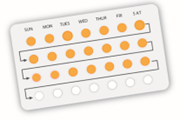
A pill taken once a day that contains two hormones - estrogen and progestin
| Aspect | Details |
|---|---|
| When is it needed? | Must be taken daily to ensure protection |
| Effectiveness | Consistent and correct use 99% Common use 93% |
| How it works | Prevents the release of eggs from the ovaries (ovulation) |
| Advantages | • Can be stopped at any time • Does not interfere with sex • Is readily accessible to most • Easy to use • Can be helpful to manage acne and menstrual problems |
| Disadvantages | • Does not protect against STIs or HIV • May cause non-harmful changes to bleeding pattern • Can be associated with hormonal side effects • Requires routine and remembering when to take it |
Progestin-only pill
A pill that contains a low dose of only one hormone – progestogen.
| Aspect | Details |
|---|---|
| When is it needed? | Must be taken every day |
| Effectiveness | Consistent and correct use >99% Common use 93% |
| How it works | Causes a chemical change that prevents sperm and egg from meeting |
| Advantages | • Can be stopped at any time • Easy to use • Is useful for women who can't use the combined pill • Can be used by women who are breastfeeding • Does not affect fertility |
| Disadvantages | • Do not protect against STIs and HIV • Can be less effective than some other methods of contraception – people must remember to take it at exactly the same time every day • May cause non-harmful changes to bleeding patterns • Can be associated with hormonal side-effects |
Emergency contraceptive pill (ECP)
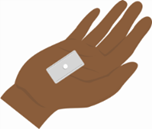
A small pill that is taken after unprotected sex to prevent an unplanned pregnancy.
| Aspect | Details |
|---|---|
| When is it needed? | Taken after unprotected sex. Effective up to 5 days after unprotected depending on the type |
| Effectiveness | 98% - 99% The sooner ECPs are taken after unprotected sex, the better they can prevent pregnancy |
| How it works | Prevents or delays the release of eggs from the ovaries (ovulation) |
| Advantages | • Safe and can be used more than once a month if necessary • Can be used by women of any age • Do not cause abortion • Controlled by the woman |
| Disadvantages | • Does not protect against STIs or HIV • May case side-effects including nausea, vomiting and headaches • Menstruation may start earlier or later than expected (have a pregnancy test if it is late, light or unusual) • Can cause slight irregular bleeding for 1-2 days |
Watch: The Contraceptinator
Watch: 3 Birth control myths
Key Message: Dual Protection
Some contraceptive methods work to keep the ovary from releasing an egg or ovum, while others help create a barrier at the opening of the cervix to keep sperm from getting inside the uterus (womb) to find an egg. Using a condom and another form of contraception at the same time is called ‘dual protection’ and is the most effective form of protection. Preventing pregnancy is the responsibility of both men and women. Before deciding to have sex, a couple should discuss how they plan to protect themselves from both pregnancy and STIs, including HIV.
If you think you are pregnant
Finding out you are pregnant can bring lots of joy, but it can also bring lots of other emotions. People may feel surprised, upset or even confused. This may be the case if they were not planning on getting pregnant or if they got pregnant quicker than expected. These emotions are okay. It’s normal for people to be unsure about the future, especially if this is the first time.
Understanding the possible signs of pregnancy, knowing how pregnancy tests work, and learning where to get trusted information and support can help people make informed decisions.
Watch: So, you think you're pregnant
Decision making about becoming a parent
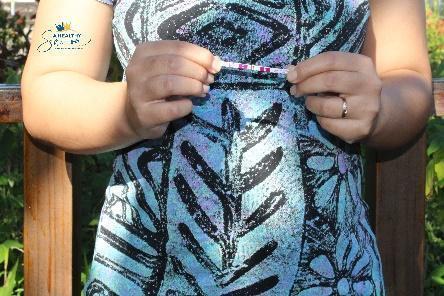
Choosing to raise a child is a big decision. While parenting can be a very rewarding experience that brings a lot of love and joy, it can be a very challenging role that takes a lot of hard work and dedication. Children depend on their parents for care, guidance, protection, and support. Parenting as a teenager can be especially difficult because young parents may still be completing their education, developing life skills, and becoming financially independent.
It is important to think carefully about the changes that raising a child may bring and to discuss these with your partner, if possible.
Some people might not know how to feel because of their situation. For example, they might have a partner who doesn’t support them or their pregnancy, or they might be having the baby on their own.
It can help to talk about how you are feeling with someone you care about, such as a close friend, your parents, and or a close relative. You can also talk to a health worker at the nearest health facilities (District and Main Hospitals in Upolu and Savaii).